Brand QA Workflows for AI-Generated Creative Before Channel Delivery
Automated screening gates catch brand drift before AI-generated assets leave your team.
To catch AI output that drifts off-brand, teams need to check each asset against a shared, machine-readable brand standard before it reaches a channel. Brand QA workflows for AI-generated creative must make those checks a built-in gate. Each asset needs a pass/fail record showing what was checked, which standard applied, and who approved it.
Why AI-generated creative keeps failing brand checks even when teams review it
AI generation changes the volume of work without changing the attention a reviewer can give it. Teams can typically make 5–10x more first-draft creative, but the review process still assumes someone has time to check each asset carefully before the deadline. That mismatch exposes a structural weakness in late-stage review. A review step that worked for one asset at a time becomes a bottleneck at AI-generation speed.
Even when review occurs, the model asks a person to make the final judgment without a single source of truth for what “on-brand” means. Reviewers have to work out what the standard means as they check the work, so they rely on their own judgment to keep it consistent. Late discovery also makes corrections more expensive and more likely to be skipped under deadline pressure. “Have someone read it before it goes live” names an activity, but it does not establish a repeatable control.
What "on-brand" has to mean before any check can run
A brand standard must be specific enough for an automated check to compare an asset against it. Human-readable guidelines alone do not meet that requirement. A stale PDF, scattered Slack messages, or knowledge held by a brand lead gives agents no consistent reference. Without structured criteria, an agent asked to stay on-brand must improvise. The prerequisite is not more guidance, but guidance that can serve as an input to a check.
For voice, tone sliders with examples, approved and avoided phrases, and reading-level targets give checks something concrete to assess. An approved glossary, restricted terms, and rules for product naming and claims define the boundaries of acceptable language. Positioning supplies a different kind of reference, including the single message, the audience, and the things only the brand can credibly say. Together, these criteria distinguish an actual departure from the standard from a reviewer’s personal preference.
Color values, type pairings, and logo usage rules must be set out as tokens and constraints that say more than how the work should feel. For visual and ad creative, the standard must also define product fidelity, persona consistency, and text rendering. Those categories cover physical appearance, packaging and labels, AI actors and avatars, and on-screen captions, titles, and pricing. The workflow sets out how to check these things, but the standard must say what they should look like before checks begin.
How do companies make brand context available to every AI agent?
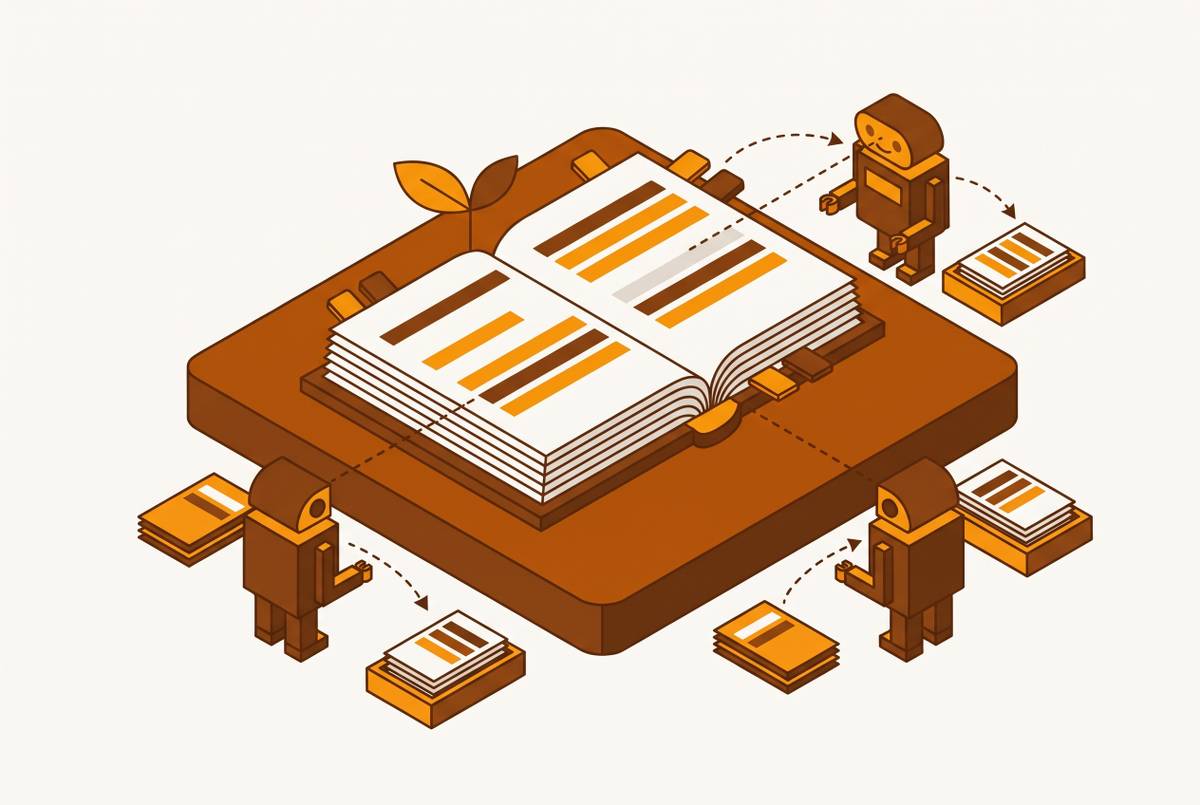
A codified standard cannot govern an agent that never receives it. When someone copies raw guidelines into each prompt, the session depends on what they remembered to paste. This creates inconsistent style, risks accidental trademark misuse, and makes brand updates difficult to distribute reliably. The remedy is a single, versioned source of brand identity that agents can read. That source holds voice rules, visual tokens, positioning, and approved assets in one place, replacing the prompt copies people put together by hand.
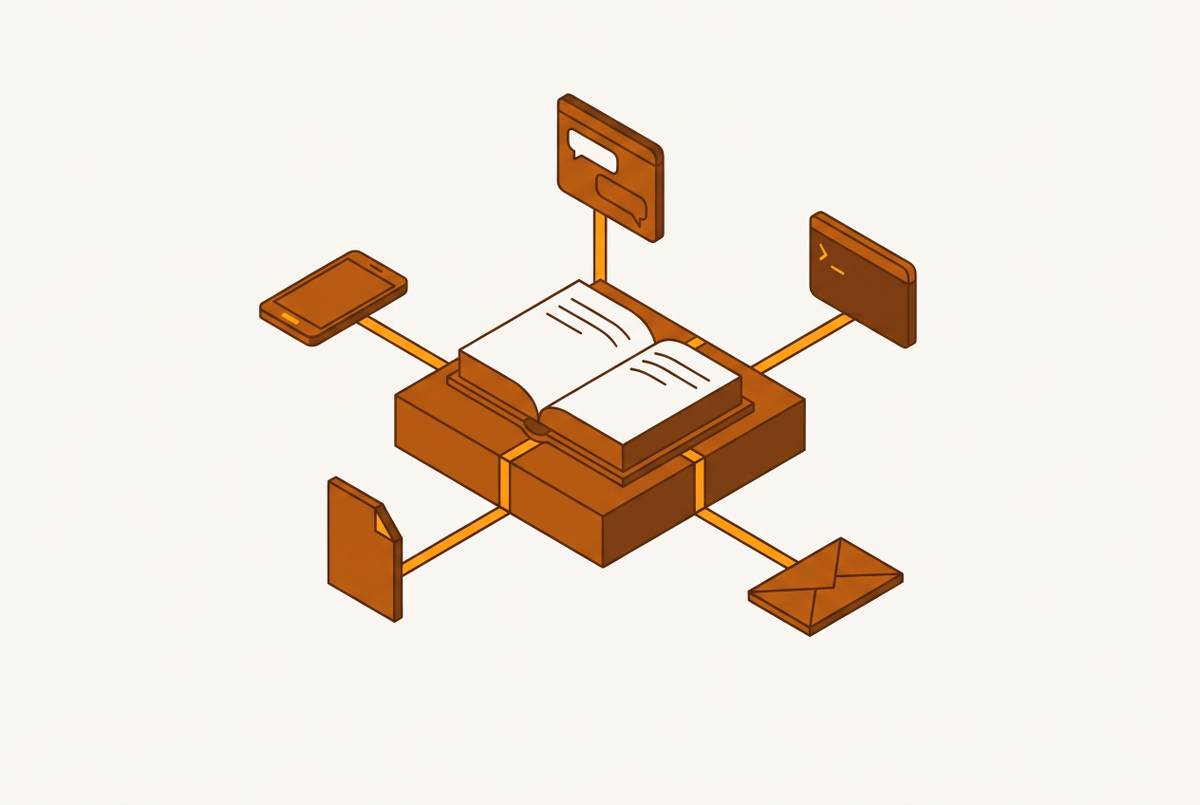
Model Context Protocol, or MCP, provides a practical mechanism for this shared access. MCP defines tools that an agent can call, resources addressed by URI that it can read, and reusable prompts. A brand MCP server can use resources for visual identity tokens and approved assets, tools for live brand lookups, and prompts for voice. Each primitive serves a distinct context need. The agent connects to a structured reference rather than relying on instructions assembled for one session.
Versioning keeps that connection up to date when the brand changes. Every connected agent and product needs to work from the new standard automatically. A common source supplies the reference for generation and gives later QA checks a defined standard against which to assess the result.
The five-stage workflow that makes QA a built-in gate rather than a final step
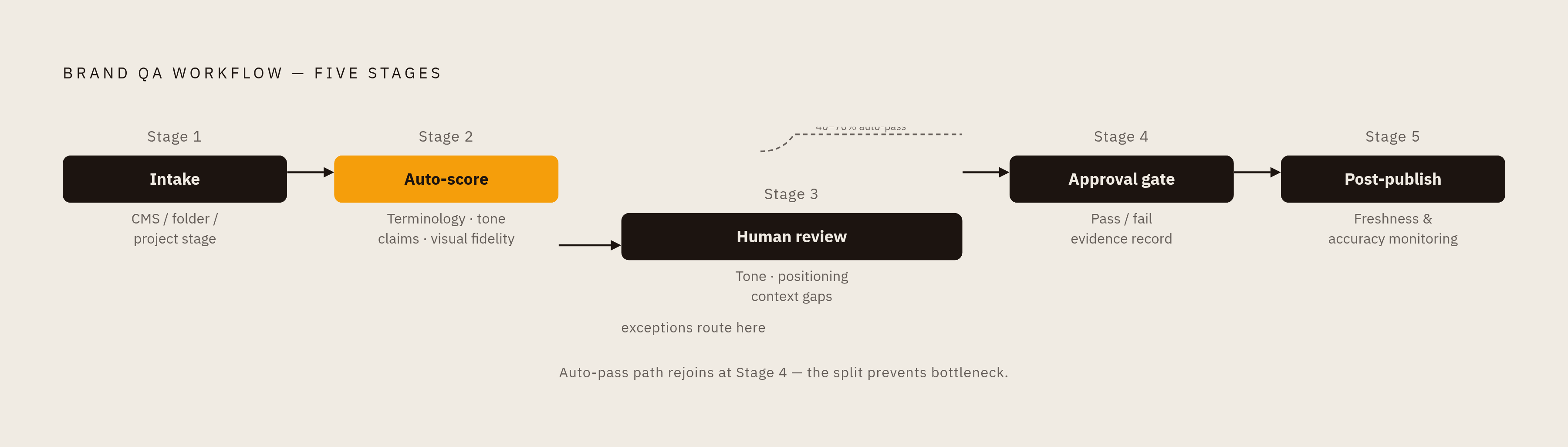
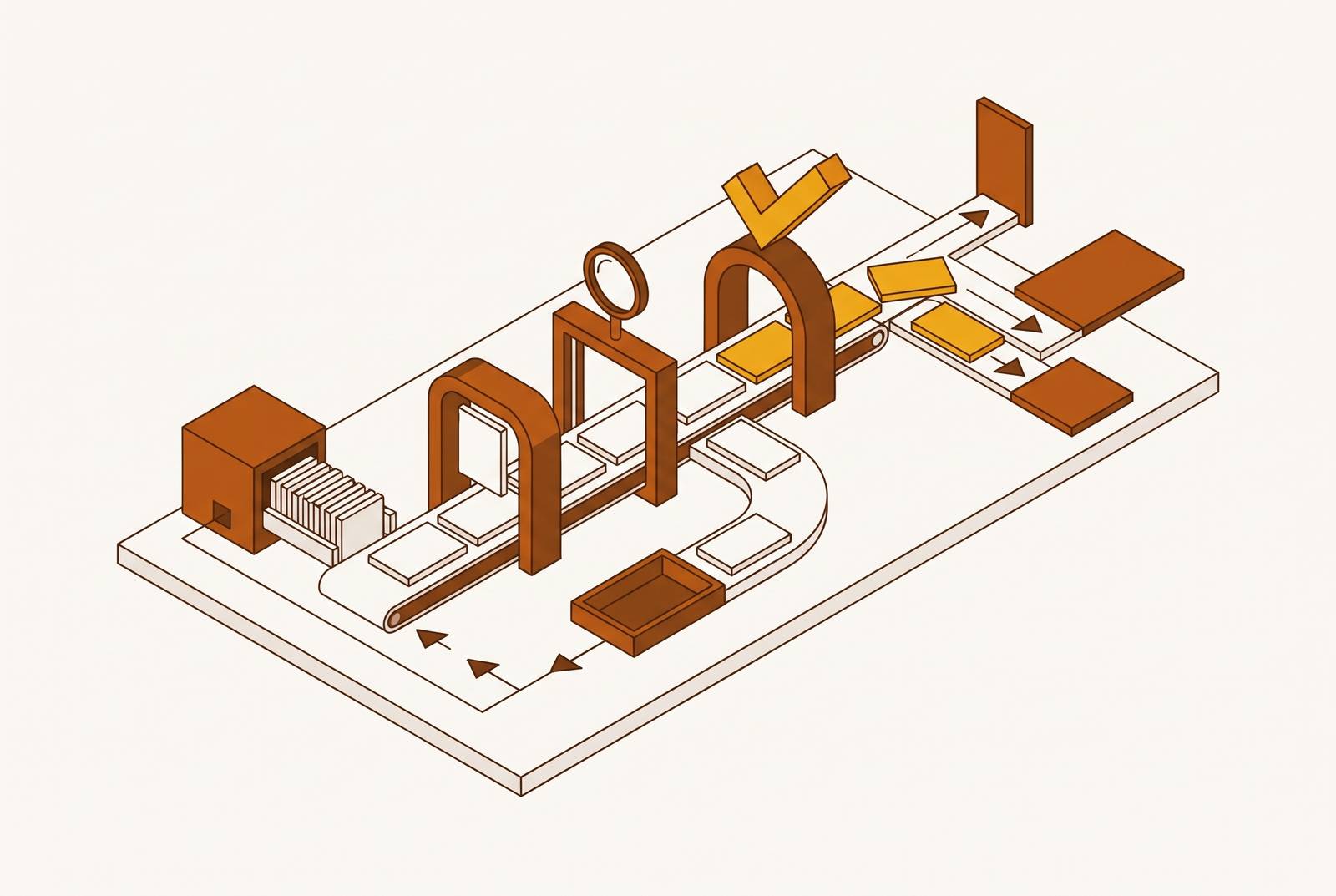
Stage 1 is intake through a single entry point, regardless of whether an asset comes from an AI tool, freelancer, agency, or internal team. A named CMS entry, shared folder with a defined structure, or project management stage establishes where QA begins. An email thread does not provide that structure. Intake places every asset into the same review sequence before it can reach a channel.
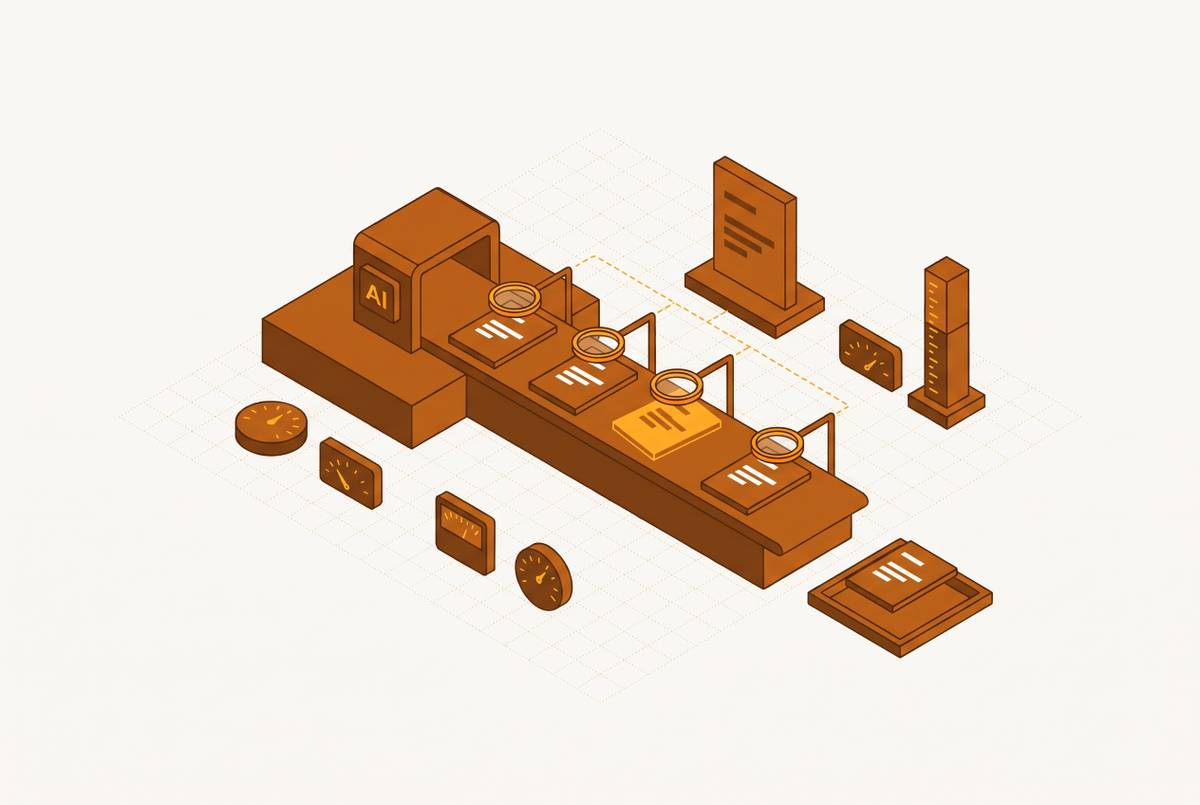
Stage 2 is automated first-pass scoring against the codified standard. Before a person reads the asset, checks assess terminology against the glossary, tone at the phrase level, claims and compliance risks, and generic AI voice. These are warning signs with named criteria. For visual and ad creative, a vision-capable critic model evaluates each generated asset before it is finalized. Product fidelity checks compare how the product looks, its packaging, and its labels with real-world specifications, while persona checks test whether AI actors and avatars look consistent. Text-rendering checks assess spelling and brand style in captions, titles, and pricing.
Some visual failures still need human support. Hands and complex human interaction, long-form video coherence, and very specific product accuracy, especially typography on packaging, remain fragile areas. The workflow must also define in advance which results auto-pass and which require human review. In a well-tuned AI creative workflow, roughly 40–70% of generated variants can be approved. Thresholds should let variants that pass go through and send the rest to a person, so people only handle the automated flags that need their review.
Stage 3 is human review of those exceptions. The reviewer handles nuanced tone, strategic positioning, gaps in the standard, and conflicts between automated flags and context the system cannot see. First-pass results give that judgment a defined starting point. Marketing owns whether the output represents the brand correctly, while IT governs the model and legal governs compliance.
Stage 4 is a defined approval gate with a named owner accountable for what passes. Completion is not a visual impression that the asset “looks done.” The gate produces a pass/fail record showing what was checked, against which standard, and who approved it. Stage 5 then extends the workflow into post-publish monitoring. Periodic re-checks for freshness and accuracy must be a standing workflow item because facts go stale, terminology changes, and brand standards are updated.
What to automate, what to keep human, and where teams get the boundary wrong
The automation boundary follows the available standard. Checks that can compare output with defined criteria at volume belong in the automated first pass. People still make decisions that need context beyond those criteria. This distinguishes tone assessment at the phrase and sentence level from a strategic judgment about borderline content. It also distinguishes a compliance flag from final brand-risk sign-off, and an identified gap from the decision to change the standard itself.
Over-automation lets the model make decisions the standard never gave it the right to make. Allowing it to invent new brand colors or visual arrangements without guardrails can dilute recognition and erode trust in the visual system. Under-automation creates the opposite failure by sending every flag to a person, recreating the original review bottleneck. Automation should spot departures from the standard and help route the work, while people weigh flags against context and stay responsible for final brand risk.
Treating generic-sounding output as an optional check leaves a recognizable class of defects outside routine QA, even as more first drafts come from AI tools. This is not merely a stylistic concern. When audiences notice content that reads or looks visibly AI-made, the brand relationship is at risk. The automated first pass helps keep those assets from reaching a channel, while people make the judgments a defined check cannot settle.
The organizational conditions a QA workflow requires to function
Someone specific needs to resolve flags day to day, and someone with final authority must decide what can pass. Otherwise, flagged content sits unresolved and the gate becomes ceremonial. These responsibilities also need a clear organizational home. Marketing’s authority over brand judgment must remain distinct from IT’s responsibility for the model and legal’s responsibility for compliance, so an unresolved brand question does not disappear between functions.
QA needs to live where content gets drafted, whether that is a CMS, document editor, or creative tool, rather than in a separate system contributors must remember to use. The review rubric also needs clear acceptance criteria that say what passes for clarity, tone fit, accuracy, and accessibility. Those criteria give different reviewers a common basis for decisions.
The standard itself must remain open to correction. Review may expose a new product term, a changed tone guideline, or an imagery rule that did not anticipate a new format. Those findings should feed back into the shared standard. Otherwise, the workflow keeps flagging the same issues indefinitely. Short standard operating procedures for research, voice, and asset QA make that feedback process durable through personnel changes and the arrival of new contributors.
An agent that retrieves information, connects to tools, triggers workflows, or takes actions needs permission controls, audit trails, testing environments, and escalation procedures. A drafting assistant and an agent that can schedule posts or produce audience segments do not require identical boundaries. The latter can act beyond the draft itself. Organizational controls must reflect that broader scope so that approval of content is not mistaken for permission to take every connected action.
What a completed brand QA workflow produces: the evidence record
A completed workflow produces an approved asset and an evidence record. Before channel delivery, each asset needs a pass/fail record stating what was checked, which element of the brand standard applied, what automation found, what a human decided, and who approved it. The record connects the standard to the result and identifies the judgment involved in allowing the asset through.
Versioned brand context adds a necessary reference to that evidence. The record can show which version of the standard governed the review, allowing teams to identify existing assets approved under an older version when guidance changes. Accumulated records also reveal which checks fail most often, which contributors produce the most off-brand drafts, and where the standard needs revision. These patterns supply the feedback loop that keeps QA useful over time. The distinction is not more last-minute scrutiny, but a structured, evidence-based gate that can scale with AI output.